03
Experiences of Forming the Harbourfront
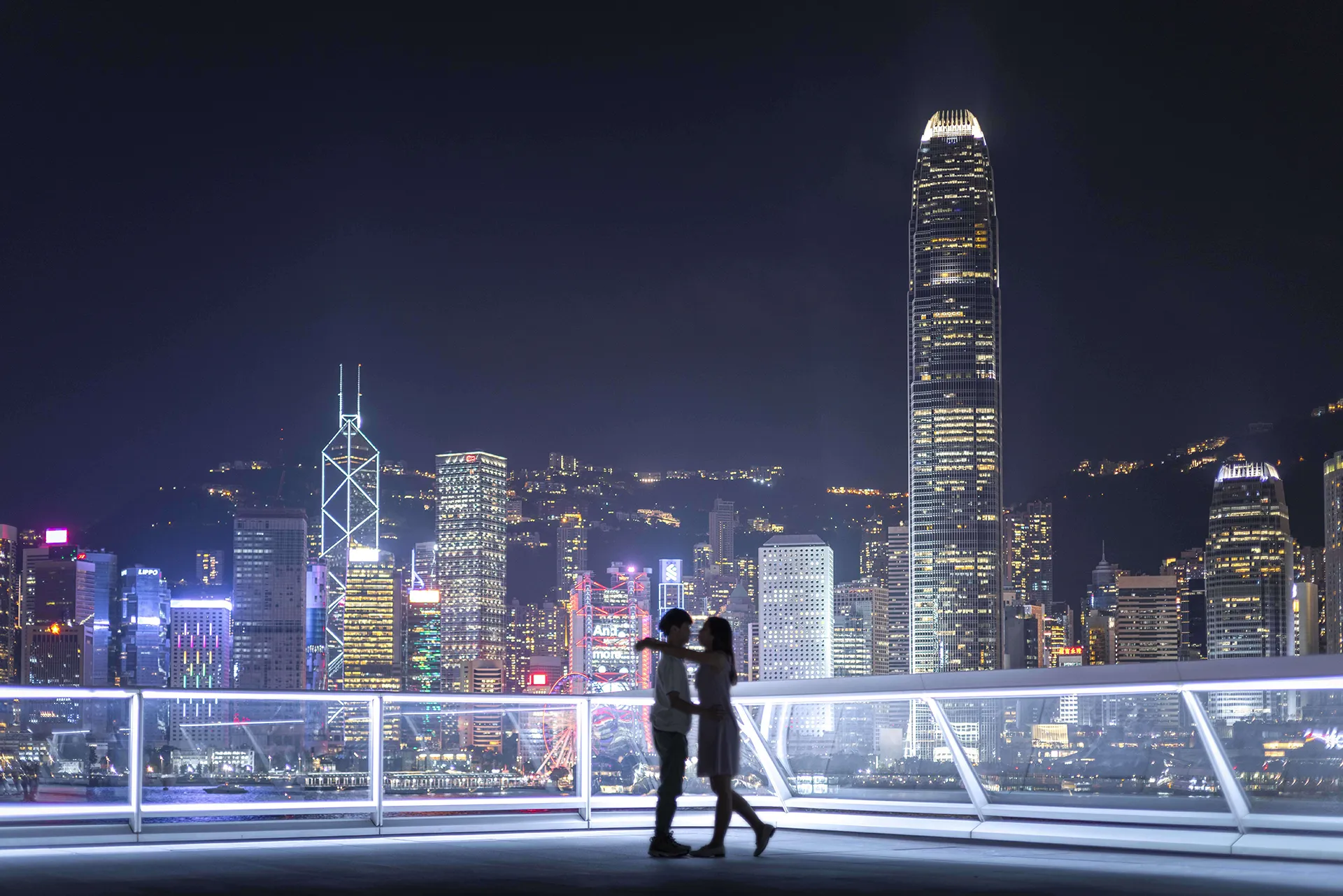
"The Victoria Harbourfront Photo and Short Video Competition" Open Group · Photo · Camera - Second Place | by YIP Tsz-ching
Both sides of the Victoria harbourfront could hardly have been vigorously developed without the untiring efforts of successive Chairpersons and members of the Harbourfront Commission. We have especially invited members of the Commission and the teams that have participated in developing the harbourfront to share the challenges they have faced in taking forward harbourfront development, as well as their insights into the vision of developing the harbourfront. Looking ahead, the Commission will continue with its mission of building a more accessible and connected harbourfront that is vibrant, diversified and responsive to the needs of the public.
Non-official Member (Individual)
Chairperson of the Task Force on Harbourfront Developments on Hong Kong Island
Mr Ivan HO Man-yiu
When the Harbour-front Enhancement Committee was established twenty years ago, I volunteered to join on behalf of the Hong Kong Institute of Urban Design (HKUDC), but ended up not getting the opportunity. Eleven years ago, at the invitation of Mr Vincent NG, I joined the Harbourfront Commission on behalf of the HKIUD, and have been serving in the Commission since then, for which I am very grateful. Over the past eleven years, I have been participating in the Task Force on Harbourfront Developments on Hong Kong Island. The rapid development of the harbourfront on Hong Kong Island in the past three to four years has left me with a deep impression. From Admiralty to Wan Chai to Causeway Bay and to Fortress Hill, section upon section of the harbourfront has been progressively connected and opened up for public use. The joy, happiness and excitement are beyond description. Although people around me have been expressing their gratitude to the Commission, such a miracle would not have been pulled off without the silent contributions of those behind the scenes, including the former and incumbent Secretaries and Permanent Secretaries of the Development Bureau, the successive Harbourfront Commissioners, staff members of the Harbourfront Office under the Development Bureau, as well as various stakeholders such as the relevant works departments and management authorities. In short, the changes undergoing on Hong Kong Island’s harbourfront in the past few years are a culmination of collective efforts. At the time of penning this article, the Water Sports and Recreation Precinct (Phase 4) was on the way to completion and would soon be opened to the public. Its theme - the retired “Fly Head” train and some of its compartments - will definitely liven up Hong Kong Island’s harbourfront once again. What is even more exciting is that, from the end of 2024 onwards, the Boardwalk underneath Island Eastern Corridor will be completed in phases. Together with the remaining portion of the East Coast Park, the 13-kilometre-long Island North promenade along the Victoria harbourfront will be fully connected, stretching from Shau Kei Wan to Kennedy Town.
Reflecting on my work of more than a decade in developing the harbourfront, I would sum up my experience in four phases, i.e. steering the way, weighing up priorities, building collaborations, and making compromises.
Let us pull together and go forward!
Non-official Member (Individual)
Chairperson, Task Force on Harbourfront Developments in Kowloon, Tsuen Wan and Kwai Tsing
Prof Becky LOO Pui-ying JP
The Smart Management of Victoria Harbourfront
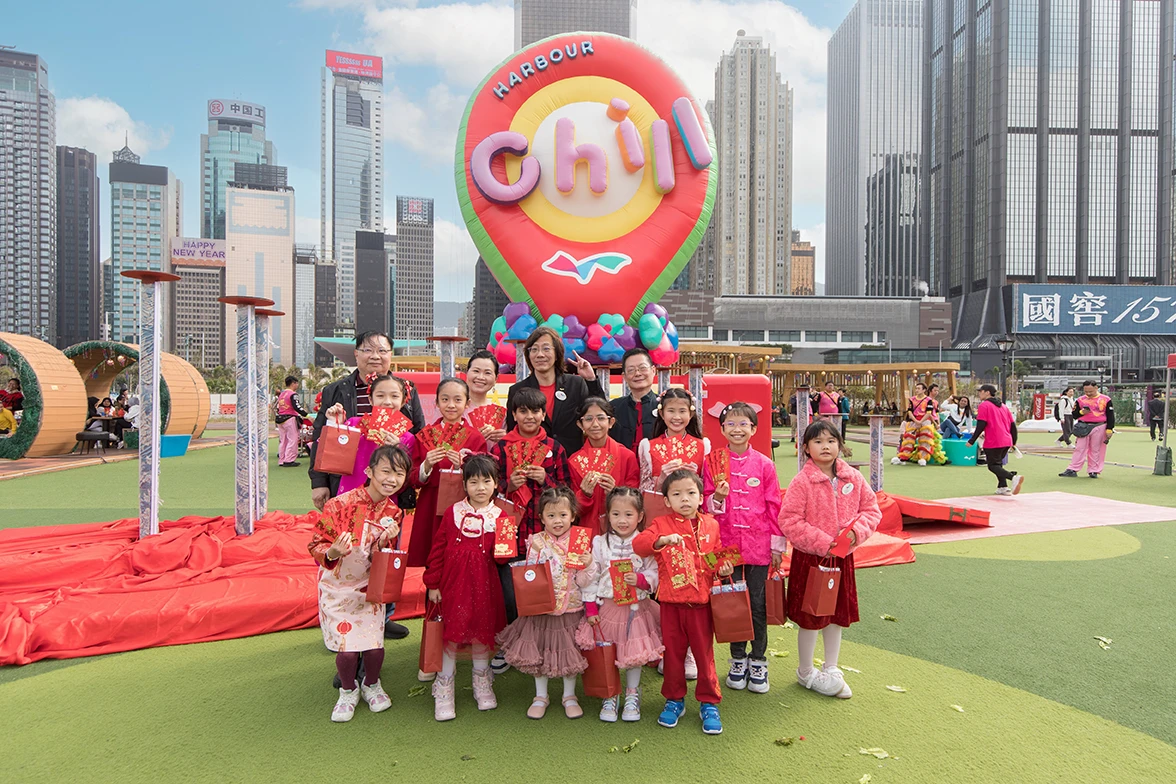
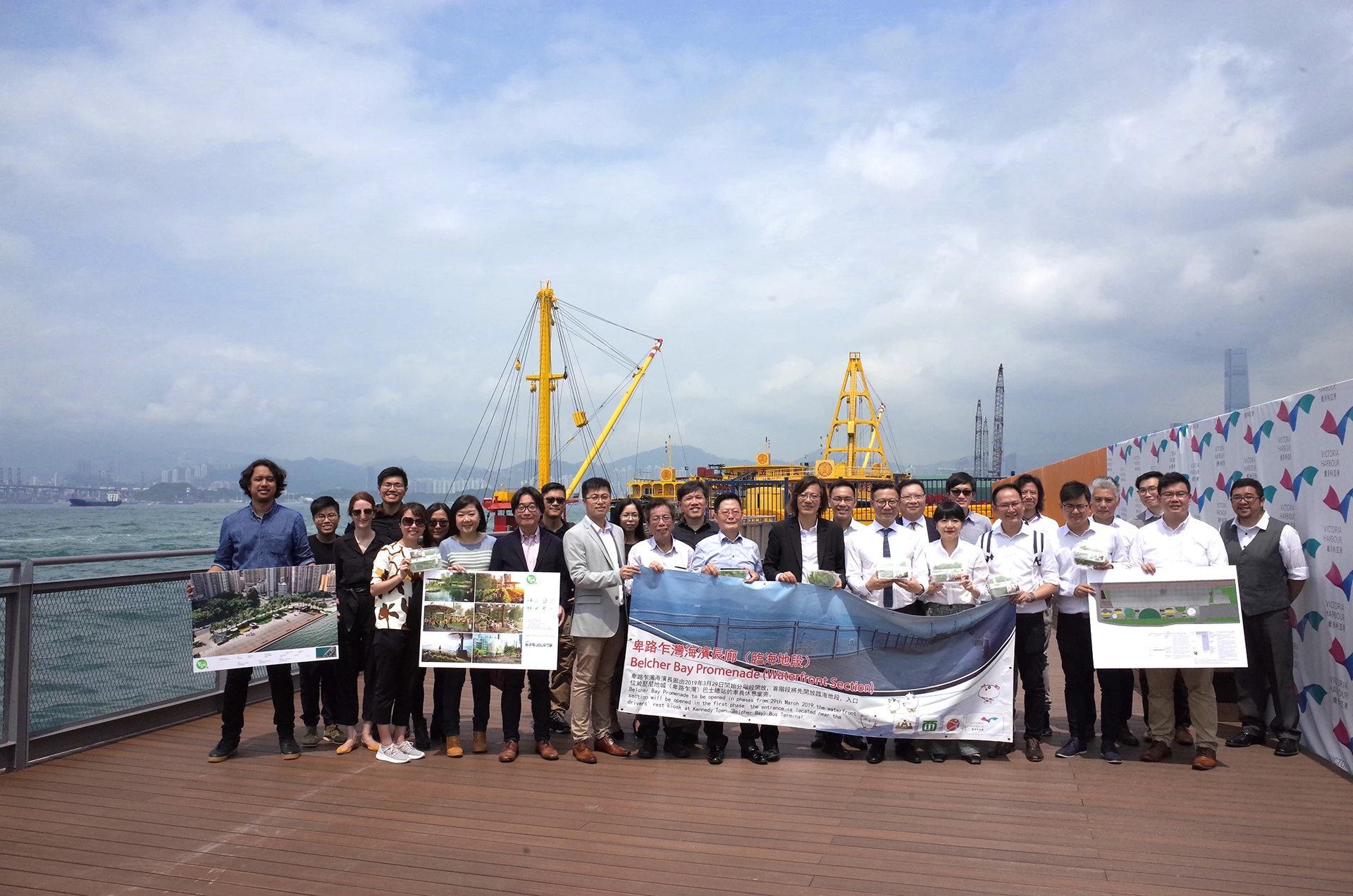
Victoria Harbourfront is a key public asset of Hong Kong. It evolves with the Hong Kong society. Over the last 20 years, it has undergone a facelift, with the injection of new elements, ranging from modern renovations from international designers (showcased by the Avenue of Stars (AoS) and Salisbury Garden) to the open management model advocated by the Harbour Office of the Development Bureau (showcased by the Belcher Bay Promenade in Kennedy Town and HarbourChill in Wanchai). Some important questions are: Have these changes been well received by the general public? How have these changes changed the experience of visitors to the harbourfront? To what extent have the outcomes aligned with the Harbour Planning Principles and contributed to the overall vision of making our Victoria Harbourfront “attractive, vibrant, accessible and sustainable”?
To answer the above questions, we need to be evidence-based and make good use of smart technologies. On the one hand, the smart management of our harbourfront space will boost Hong Kong’s competitiveness as a global smart city. On the other hand, it will serve community needs better and enhance the wellbeing of Hong Kong people. From the rich experience of the Harbourfront Commission over the last 20 years, there are a few evidence-based lessons that can inspire future vision.
Data-driven visitor management system can help make harbourfront spaces safe. Take AoS as an example, an analysis [1] on visitors’ flow characteristics, activities and social distancing has shown that visitors walked faster, exercised more, travelled with smaller groups, and reduced interaction with handprints and statues during COVID-19. Moreover, most of the crowds happened at the bottlenecks near the Cultural Centre and to the west of K11, which need special attention especially during events like fireworks. Such information not only advises us on where to install new handprints (e.g. avoiding the bottlenecks) but also the importance of designing multifunctional public spaces, while ensuring crowd safety.
Dynamic harbourfront spaces contribute to healthy cities. Research [2] has also shown that the open management model of the Belcher Bay Promenade has significantly facilitated social interactions in public space, with the moveable blue cargo blocks being noteworthy. The creation of a landmark is very effective in gathering people, as people simply gather and observe. Group activities are strong from 10-11am and 4-5pm. Visitors’ behaviour has shown a clear pattern, with the interaction with semi-fixed or movable site features being associated with higher odds of people being “playful” and physically-active. These results provide lessons for us to design harbourfront spaces in support of an active lifestyle.
People and places are key to all Harbour Planning Principles. We cannot plan well without understanding about people’s behaviour over time and space. Technologies have allowed us to collect these data in an anonymized manner. In the future, the potential of implementing smart management is huge. For instance, the Tsuen Wan Ecoshore Engineering project can be a suitable case, where smart technologies can help to monitor from birds, sea animals, water quality, temperature and air quality in the natural environment to energy consumption, pollution and people behaviour. With more experience gained, these lessons of harbourfront management can hopefully also be implemented to other open spaces in Hong Kong, making Hong Kong’s open spaces “attractive, vibrant, accessible and sustainable”.
References:
Non-official Member (Organisation)
for the Chartered Institute of Logistics and Transport in Hong Kong
Mr LEUNG Kong-yui BBS JP
Chairman of the Task Force on Water-land Interface and Harbourfront Activation
When it comes to the most unforgettable experience in the past twenty years, it has to be my first three years (i.e. 2004-2007) with the former Harbour-front Enhancement Committee, serving as Chairman of the Sub-committee on Wan Chai Development Phase II project. It can be described as a three-year fighting with my fellow “comrades-in-arms”!
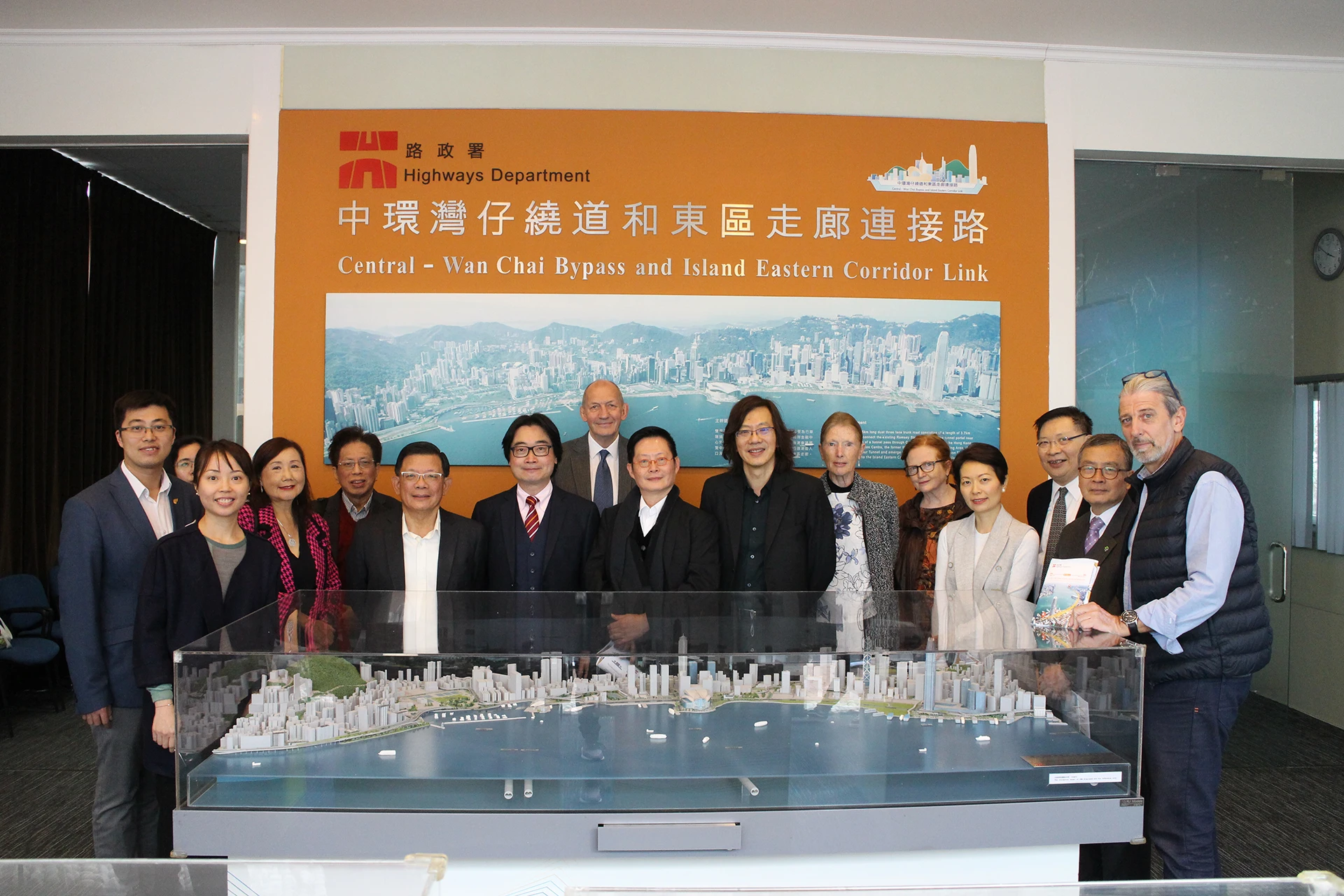
At that time, in the wake of the Court’s ruling on the reclamation litigation, all planned reclamation projects came to a sudden halt. In view of this, the Hong Kong Special Administrative Region Government decided to set up the Harbour-front Enhancement Committee as a channel to gauge public opinion and advise the Government on the planning, land use and development of both sides of the Victoria Harbour. As a professional in the traffic and transport sector, I believed that building the Central-Wan Chai Bypass (CWB) would be of great help in linking up the east-west traffic, taking into account Hong Kong’s transport planning and the heavy traffic flow in the Eastern and Western districts of Hong Kong Island. As Chairman, I put in much effort to promote broader public engagement, in addition to working closely with departments or units such as the Civil Engineering and Development Department, the Highways Department and the Transport Department. So, in its first three years, the Sub-committee made every effort to garner public views in various ways, working with the public on how to deal with issues related to the Wan Chai harbourfront and road planning. As the conclusion showed, while there was widespread public support for the CWB, the discussion once again got stuck in the tangled issue of “small-scale reclamation”. In view of this, I proposed to the responsible officials that if the Government and the public remained undecided, they might as well turn to the experts by setting up a high-powered international expert panel for advice. The CWB project was eventually supported and implemented. Seventeen years later, it has become apparent that this project has not only made significant contributions to Hong Kong’s traffic and transport system, but also created favourable conditions for the connection and enhancement of the harbourfront spanning from Wan Chai to North Point in recent years, on account of small-scale reclamation. It is indeed a case of “living up to our own expectations as well as those of Hong Kong”!
Over the past twenty years, the Victoria harbourfront and I have had valuable experiences together. I believe that as it continues to be connected and enhanced, so do we continue to learn and grow from it.
Non-official Member (Individual)
Sr Francis LAM Ka-fai
I remember the thrill of participating in the design of the promenades in Tsuen Wan West and Belcher Bay, as well as the opening up of the Central Harbourfront, in my first year as a member of the Harbourfront Commission. In the ensuing five years, I witnessed the design, completion and opening of other harbourfront projects such as those in Wan Chai, East Coast Park, the waterside of the Children’s Hospital, Hung Hom and Yau Tong. I am also very happy to have completed the design and tendering of the boardwalk project along the waterfront stretching from Oil Street to Quarry Bay. Construction works are now in progress, and I look forward to its completion and opening. By then, members of the public will be able to walk or run along the promenade from Shau Kei Wan to Kennedy Town – it is truly wonderful!
Dr Frankie YEUNG Wai-shing BBS MH JP
Non-official Member (Individual)
Hong Kong owes its prosperity to the Victoria Harbour and its beauty to the harbourfront. The fruitful enhancement outcomes we see today have not come by easily; it is a culmination of the tremendous support from the Hong Kong Special Administrative Region Government and the painstaking efforts of successive members of the Commission, as well as the mutual assistance, accommodation and acceptance of all stakeholders who always seek common ground while accommodating differences. To build on past successes and further advance our cause, we still have a lot of missions to fulfill, e.g., connecting the boardwalk from North Point to Quarry Bay. In the years to come, I believe, we still need the concerted efforts of all sectors to enhance the harbourfront, thereby creating a bright future together.
Non-official Member (Individual)
Mr Wilson OR Chong-shing MH
Moving Forward Together: Establish and Develop the Kowloon East Harbourfront
Since Hong Kong’s return to the Motherland, our harbourfront endeavours have seen rapid progress, serving as an important driver for Hong Kong’s economy. As a participant in harbourfront development, we have been actively promoting the development of the Kowloon East harbourfront, striving to achieve the goal of “a harbour for the people and a harbour of life”.
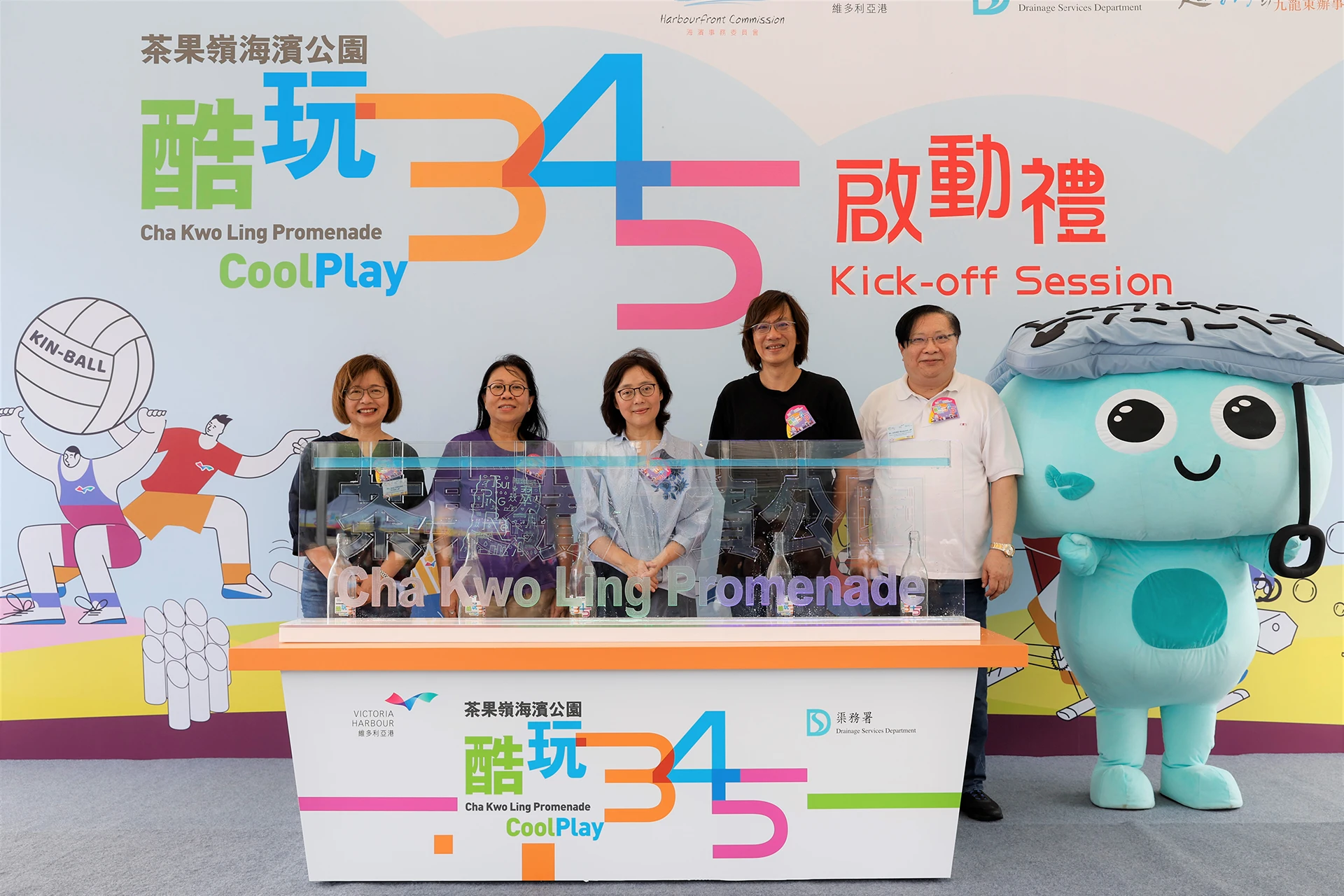
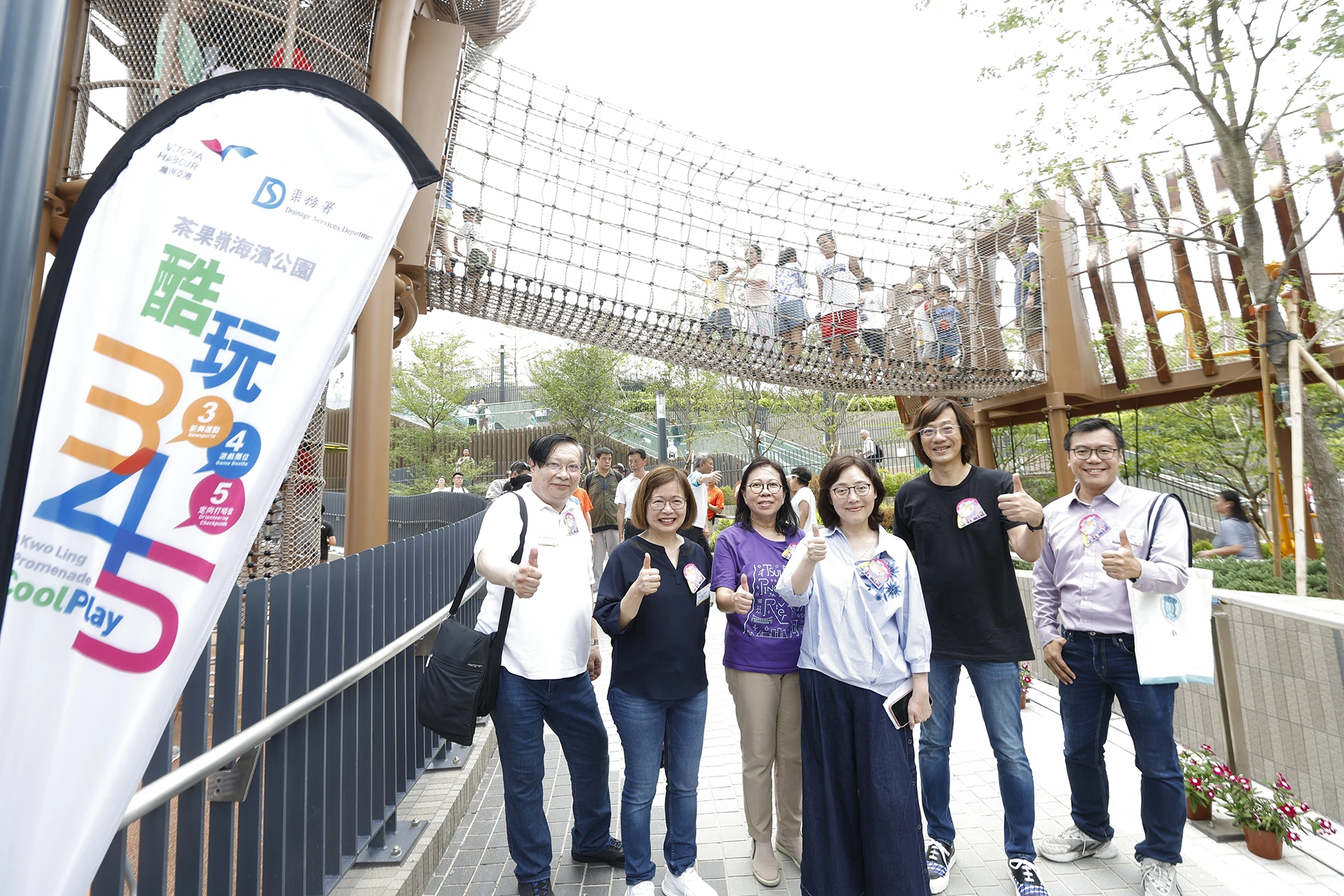
To provide locals and tourists with more relaxing and beautiful harbourfront spaces, we have pushed forward development projects, such as the “Kai Tak Promenade”, “Revitalisation of Tsui Ping River” and “Cha Kwo Ling Promenade”, to promote “ecological beautification and harbourfront revitalisation”, i.e., while building cross-river walkways and viewing decks along the harbourfront, emphasis would be put on protecting and restoring the ecological environment therein. As well as supporting the organisation of various performing and interactive events at harbourfront promenades, we present festive lighting decorations on festive occasions to draw more locals and tourists to the harbourfront, so that the public can enjoy the harbour and the seaside areas to the fullest.
Looking ahead, we will continue to actively make collaborative efforts with various parties to promote the enhancement and sustainable development of the harbourfront, making the harbour a better place to live and visit.
Non-official Member (Organisation)
Business Environment Council Limited
Mr Simon NG Ka-wing & Mrs Margaret BROOKE
I have always held the view that Victoria Harbour is not only part of Hong Kong’s DNA, but has also shaped the past, present and, no doubt, the future of the city. It also represents the signature with which residents, and visitors alike, associate Hong Kong.
For that reason, I have been pleased to represent the Business Environment Council (BEC) on the Harbourfront Commission, which is the champion for the Harbour, to help steer and monitor the works proposed by the Government which are intended to enhance the quality of Hong Kong’s waterfront offer. Initially the priority was to bring the Harbour to the people and the people to the Harbour, so that both visitors and residents alike could access this important community asset, but more latterly the thrust has been to enhance the quality and variety of the waterfront experience.
The challenge is and remains that control of the waterfront in Hong Kong and any new initiatives are vested in the Government whereas in many other jurisdictions, an authority or agency has been established which takes charge of the operation and management of the harbourfront. This enables the creation of public-private partnerships and the involvement of the business sector which brings to bear creativity, vitality, and innovation with respect to the range of activities that take place both on land and in the water.
Hence, the importance of representation from organisations, such as BEC who considers proposals from the stance not only of public usage but also from a sustainability and environment perspective and examine them through a somewhat wider value-add lens. The role of the Commission is not to be under-estimated as all plans and projects touching on the Harbour come to the Commission for review, and it is fair to say that most are revised on the advice of the Commission.
For that reason, it is important that BEC continues to play a role in shaping and influencing the character of the Victoria Harbour waterfront, to ensure all initiatives reflect the necessary hallmark of quality and resilience to be expected when considering an asset of the significance of Victoria Harbour.
There are many elements of the waterfront that have contributed to the collective memory of Hong Kong and to my mind that picture postcard view of Hong Kong Harbour epitomizes what makes Hong Kong and Victoria Harbour so special.
Non-official Member (Organisation)
Friends of the Earth (HK) Charity Limited
Dr Vivian WONG TAAM Chi-woon JP
Our Harbour, Our Heritage, Our Green Legacy
From “fragrant” harbour to “smelly” harbour to “rehabilitated” harbour, Hong Kong’s Victoria Harbour has undergone over three decades of transformation.
How did Victoria Harbour reclaim its past glory from being a sewage dumping ground for municipal discharge and industrial effluent, a marine traffic thoroughfare, a reclamation hotspot, and a road traffic decongestion corridor? Credits go to the outspoken and visionary scientists, academics, professionals and environmental groups who voiced concerns and shared ideas to revitalize the harbourfront and spearheaded the eventual establishment of the Harbourfront Commission. Friends of the Earth (HK) has championed Victoria Harbour since 1990’s. We lobbied to clean up water pollution, to upgrade municipal sewage disposal and treatment and to stop excessive reclamation. We advocated walkability and public accessibility. We campaigned to reclaim harbourfront open space for public enjoyment. Community involvement and public participation in city planning and public space making are the cornerstone to revitalize Victoria Harbour with the people, by the people and for the people. Friends of the Earth (HK) is honored to be involved in the Victoria Harbour revitalization in the past 20 years.
We are proud to preserve our harbourfront green legacy for our future generations.
Non-official Member (Organisation)
Hong Kong Institute of Urban Design
Mr Joel CHAN Cho-sing
VICTORIA HARBOUR – Harbour for a World-Class City
The Harbourfront Commission since its establishment in 2003 has actively provoked the transformation of our harbourfront area from mainly service utility function space into a people centric precinct. This is one of the Habourfront Commission remarkable achievements in making Hong Kong a livable city in the last two decades. Whilst the harbourfront design of a city is a reflection of the society and governance standard, Harbourfront Commission certainly plays an important leading role in steering the harbourfront design in the coming decade to make Hong Kong a forerunner harbourfront city in the international arena. The “incremental approach” adopted in the last decade has successfully connected different parts of the promenade in Victoria Harbour to allow public access to the harbourfront sites with the various activities implemented in the promenade to enhance the vibrancy and attraction. For the next decade of focus, in addition to addressing the local district context, cultural identity, socio-economic, tourism and recreational needs of the Hong Kong people, a holistic and sustainable vision for the Victoria Harbour is needed to further elevate the standard of our harbourfront design and to establish the identity of Hong Kong as a world-class harbourfront city that connects with the world and attracts worldwide talent’s attention.
The Hong Kong Institute of Urban Design (HKIUD) has been actively involved in the Commission since its establishment. We are glad to see the Commission has evolved itself to be a very successful collaboration platform between the Government and the public, becoming an insight to the governance of future topics. HKIUD members would strive to continue our support and contribution to the Commission in our various capacities.
Non-official Member (Organisation)
Society for Protection of the Harbour
Mr Winston CHU Ka-sun JP
Legal Control of Reclamation
Enhancing Hong Kong’s harbourfront has 2 basic requirements: firstly, there must be a harbour to be enjoyed; and secondly, there must be a permanent harbourfront to plan.
Since the British occupation of Hong Kong in 1842, it was Government policy to make land from the harbour through reclamation due to the shortage of land. This should no longer be necessary after the Joint Declaration was signed in 1984 which would make the New Territories part of the Hong Kong Special Administrative Region and thereby would increase the land area nine folds. Yet in 1994, even though by then half of the harbour had already been reclaimed, the Government submitted to the Town Planning Board a Reclamation Plan to reclaim a further 1,297 hectares. This would have reduced the harbour into a narrow channel only about 800 metres wide.
In response, our Society submitted the Protection of the Harbour Ordinance which was enacted in 1997 with the overwhelming support of the Legislative Council and the public. The Ordinance prescribed a ‘presumption against reclamation’ such that the legality of reclamation proposals will be determined by the law courts. It was the only reliable way to protect the harbour as the law courts are the only independent authority which have control over the Government and could enforce and administer the Ordinance ‘without fear or favour’. Yet the Government still gazetted five reclamation proposals totalling 584 hectares. Three judicial reviews were instituted by our Society resulting in the leading Judgment of the Court of Final Appeal in 2004 which supported and enforced the Ordinance and prescribed an ‘Overriding Public Need’ Test for all reclamations. The Court of Final Appeal pronounced that the Harbour is undoubtedly a central part of Hong Kong’s identity. It is the heart of the metropolis and something extraordinary to be transmitted from generation to generation. Reclamation that had already taken place renders what remains of the Harbour even more precious and makes the need to protect and preserve it more important and compelling.
Since then the Government had adopted an enlightened policy towards enhancing the harbour and harbourfront. As a result of the work of the former Harbour-front Enhancement Committee and the Harbourfront Commission, Victoria Harbour is now enjoyed by the people of Hong Kong and visitors from abroad. Hence the Ordinance is invaluable and indispensable in protecting and preserving Victoria Harbour for the present and future generations.
Non-official Member (Organisation)
for the Conservancy Association
Dr CHUNG Shan-shan
Sustainable Hong Kong Harbourfront
The year 2024 marks the 20th anniversary of harbourfront development. As early as 2004, the Conservancy Association had the privilege of joining the Harbour-front Enhancement Committee, the predecessor of the Harbourfront Commission, with Dr Alvin KWOK Ngai-kuen acting on our behalf. In addition to striving to enhance the Committee’s transparency and infuse the concept of sustainability into harbourfront development, Dr Kwok led the Task Group on “Central Harbourfront and Me” in 2005 under the auspices of the Committee, showing how public engagement could be integrated into the sustainable development of the harbourfront through random sampling surveys, interviews, workshops, exhibitions and public forums. With the support and engagement of many of its members (like Mr Vincent NG, Chairman of the current Harbourfront Commission), officials from various departments and members of the community, the project eventually involved as many as 3,000 members of the public. Apart from offering important recommendations for enhancing the development of the Central harbourfront, more importantly, it provided a clear blueprint for the actual operation of public engagement in the future. The Conservancy Association believes that the Harbourfront Commission will continue making every effort to enhance public engagement in harbourfront development and utilisation of the harbourfront, thereby creating a harbourfront in which the people of Hong Kong will take pride.
Non-official Member (Organisation)
The Hong Kong Institute of Planners
Miss Sam LOK Hom-ning
Victoria Harbour holds a special place in my heart, as it has been a backdrop throughout my life, from childhood to my current role as a member of the Harbourfront Commission. As a citizen, I've come to realize that Victoria Harbour influences our lives in subtle yet profound ways, shaping our experiences without us even noticing.
Hung Hom Hutchison Park, a charming urban park next to the harbour, was my playground when I was a child. I cherished moments spent with my mum watching tortoises and goldfishes and moments fought to get on the swings with other playmates.
One of my fondest memories from my teenage years was attending the Annual Swimming Gala in one of the best viewing public swimming pools in the world. Though I wasn't a skilled swimmer, I passionately cheered for a classmate who consistently broke school records. The Tai Wan Shan Swimming Pool, situated alongside the Hunghom part of the harbour, provided me with a refreshing sea breeze while I supported my classmates.
During my university years as a town planning student, I began to understand the significance of Victoria Harbour to Hong Kong. The skyline of skyscrapers with majestic mountains at the back and the renowned Victoria Harbourfront in the front, defined Hong Kong as a unique global city.
The Central Harbourfront became a vibrant hub during the early stages of my career. I found myself immersed in exciting events like the Wine and Dine and other carnivals. These events are not just loved by the locals but also the tourists, fostering the vibrant exchange of the Asian and Western cultures, making Hong Kong a truly Asia’s World City.
Non-official Member (Organisation)
The Hong Kong Institution of Engineers
Ir Ringo YU Shek-man JP
Building a Harbourfront Experience:
Enhancing Public Access, Connectivity, and Leisure
The development of a vibrant harbourfront holds immense benefits for the general public, providing a space for leisure, recreation, and connection with nature. Through a combination of engineering expertise and thoughtful planning, we can safeguard and expand existing waterfront areas, transforming fragmented sections into a continuous corridor that delivers a top-notch experience for us all. This article discusses the significance of these considerations and how engineering can help revitalise the harbourfront and maximise its public enjoyment.
Preserving the Waterfront for Leisure Use: An Engineering Commitment
Preserving the waterfront as a recreational space requires a strong engineering commitment. Engineering plays a vital role in developing sustainable solutions to shield the shoreline against erosion, ensuring the long-term endurance of the waterfront. By employing innovative techniques in fields such as coastal engineering, we can create resilient structures that are able to withstand the forces of nature while providing public access and recreational opportunities. Furthermore, engineering expertise is instrumental in designing and constructing recreational amenities such as waterfront promenades and parks, enriching the general public’s overall experience.
Transforming Fragmented Sections into a Continuous Pathway:
Engineering Connectivity
Engineers play a crucial role in transforming fragmented sections of the waterfront into a continuous pathway. As engineers, we analyse the existing infrastructure, identify gaps, and design solutions to bridge those gaps seamlessly. This may involve the construction of bridges, boardwalks, or underpasses to ensure uninterrupted connectivity along the harbourfront. Through careful engineering, the public can traverse the waterfront with ease, enjoying a cohesive and immersive experience. The engineering touch ensures that accessibility is maximised, providing a pathway that is inclusive and accommodating to people of all abilities.
Continued Expansion of Waterfront Areas: Engineering and
Sustainable Development
The expansion of waterfront areas for public use requires a thoughtful and sustainable approach. Engineering expertise comes into play in the careful planning and development of new spaces. Engineers assess factors such as land reclamation needs, environmental impact, and infrastructure requirements to create additional areas for leisure and recreation. By incorporating sustainable design principles, such as green infrastructure and low-impact development techniques, engineers can strike a balance between preserving the natural beauty of the waterfront and creating inviting community spaces. This ensures that the expansion is not only aesthetically pleasing but also environmentally responsible and resilient.
Building a vibrant harbourfront that enhances public access, connectivity, and leisure is a collaborative effort that involves both engineering expertise and a commitment to the community. Through preserving the waterfront for leisure use, transforming fragmented sections into a continuous pathway, and continuing careful expansion of waterfront areas, an exceptional experience is created for the entire community. Through the application of engineering principles, we can protect the shoreline, improve accessibility, and develop sustainable solutions that integrate seamlessly with the surrounding environment. Together, let us embrace engineering’s transformative power in building a harbourfront that celebrates the harmonious intersection of public enjoyment, nature, and community.
Non-official Member (Organisation)
The Real Estate Developers Association of Hong Kong
Mr Jeff TUNG
Experience Hong Kong’s Stellar Tsim Sha Tsui HarbourFront
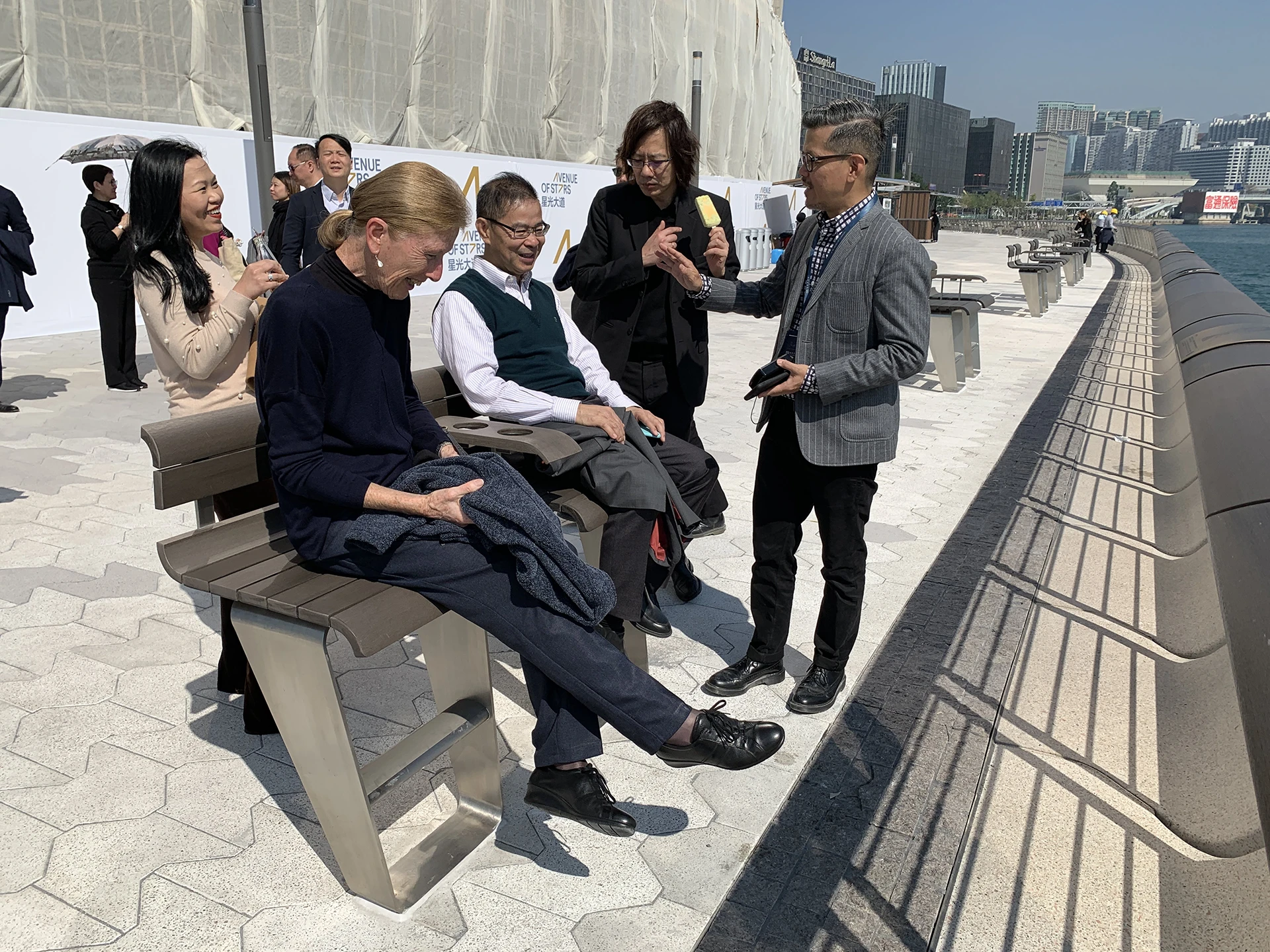
When we decided to revitalize the Tsim Sha Tsui Waterfront (Avenue of Stars and Salisbury Garden), we knew we had a giant task upon us. We needed to re-create a world-class landmark that has to be modern, iconic, sustainable and accessible. Better yet, it would be one that is fit for international arts, cultural, tourism, leisure and sports events to inject vibrancy to our Victoria Harbour.
When Avenue of Stars was first opened in 2004, the vision was to create a public space for breezy walks along the harbourfront while enjoying Hong Kong’s stunning skyline and a space for everyone to appreciate Hong Kong’s decorated film industry. Thanks to its location and film-related content, it has been the most visited attraction in Hong Kong, welcoming millions of visitors annually. But the heavy foot traffic also exceeded its intended capacity, rendering it necessary for a much needed upgrade 12 years after opening.
Led by Dr. Adrian Cheng, CEO of New World Development, the task was to give the Tsim Sha Tsui Promenade a complete overhaul and unveil the unrealized potential to the public. And in doing so, one of our visions is also to reconnect it with the surrounding developments and cultural venues, creating a coherent journey.
For the revitalization, we collaborated with James Corner of Fields Operation, a renowned landscape architect / planner famous for designing the High Line in New York. Rather than adding content to it, James amplified what was already there was already iconic – the view and vibrancy of the Victoria Harbour. So we focused on improving sustainability, connectivity, accessibility and designing better places to sit and linger for visitors to enjoy. We went through comprehensive stakeholders’ engagement processes and all the design proposals had received positive responses.
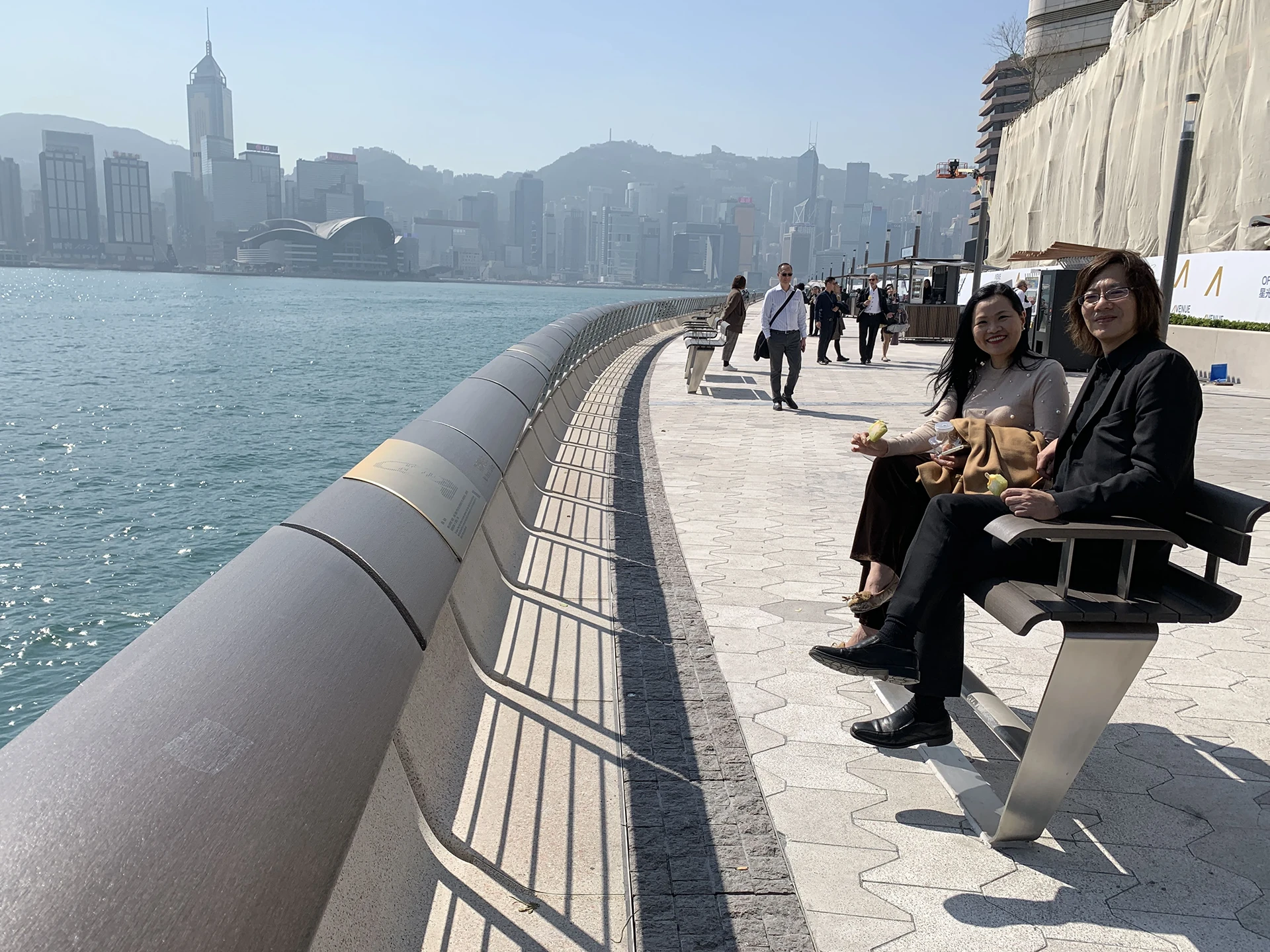
Reopened in January 2019, the Avenue of Stars has eight times more greenery, seven times more shading, and two times the seating capacity as before. All celebrity handprints have been redesigned and re-installed on the upcycle-timber handrails for better accessibility. We did not widen the physical dimensions of the promenade due to restrictions of the Protection of the Harbour Ordinance, but the new design creates more breathing space for the visitors, and greatly improves the visual and physical connections with the Victoria Harbour.
Keith Bradshaw of Speirs Major, the lighting architect that illuminated the Millennium Dome and St Paul’s Cathedral in London, created a layered ribbon edge of lights along the Avenue of Stars, making the promenade the longest lighting feature in Hong Kong to be featured in "A Symphony of Lights" , with the harbour delicately waves with the lapping of soft white light connecting with the movement and animation of the water during the show.
Both the Avenue of Stars and the Salisbury Garden have achieved SITES Gold certification. They have also received numerous international awards and have received positive comments from users at large on their user-friendly design, and the improved connectivity and enriched enjoyment of the waterfront. These achievements highlight the fact that the revitalized waterfront is a sustainable oasis for Hong Kong — one that is truly dedicated to the community, and they are the perfect open platform on which mega events can be held with our stunning Victoria Harbour as the backdrop.