Harbour's Talk:
Professor LEE Chack-fan and HC Chairperson
Planning with the Public: Collective Discussions and Decision-making
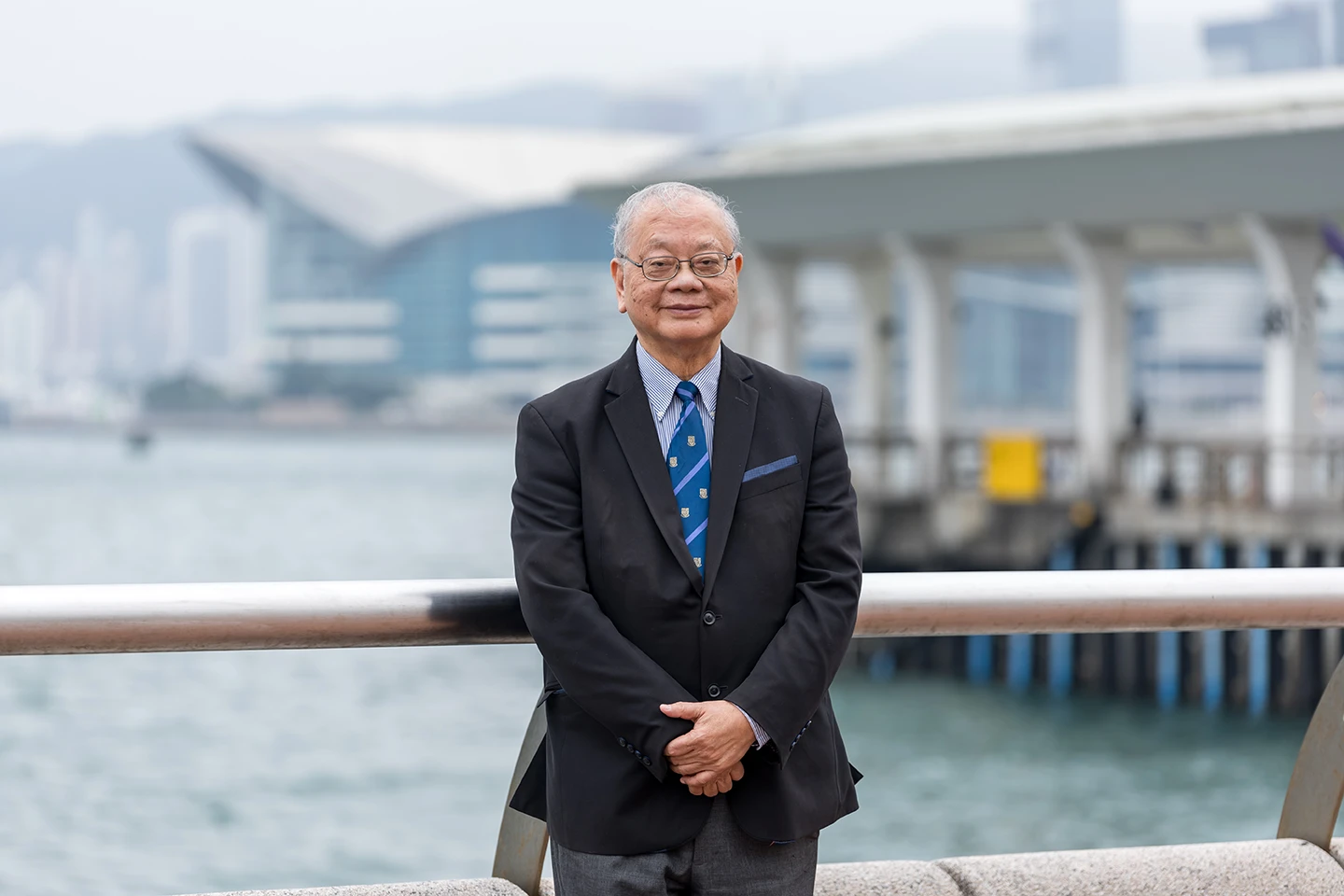
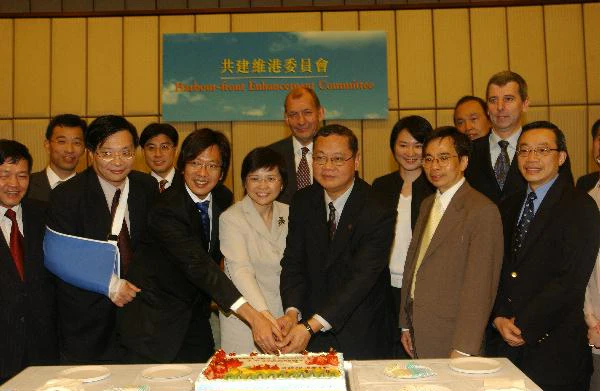
In response to the widespread public concerns about the development of the Victoria Harbour, the Government established the Harbour-front Enhancement Committee (HEC) in 2004 and appointed Professor LEE Chack-fan, GBS, JP, as Chairman. Professor LEE brought together various sectors to forge a social consensus on harbour development, explored new models for public engagement, and promoted a more people-oriented approach to town planning. Professor LEE has made significant contributions in professional, educational and cultural fields as a renowned expert in geotechnical engineering and an esteemed leader in higher education in Hong Kong. Over the years, Professor LEE has been keen on public and social services, holding public offices in various government committees and organisations. During his six-year tenure as Chairman of the former HEC from 2004 to 2010, he formulated and revised the Harbour Planning Principles and Guidelines, which laid the foundation for future planning and development of waterfront sites and is still widely referred to and adopted by the Government and the industry, exerting far-reaching influence.
Mr Vincent NG
Professor LEE Chack-fan
Engaging Stakeholders in Formulating Planning Principles
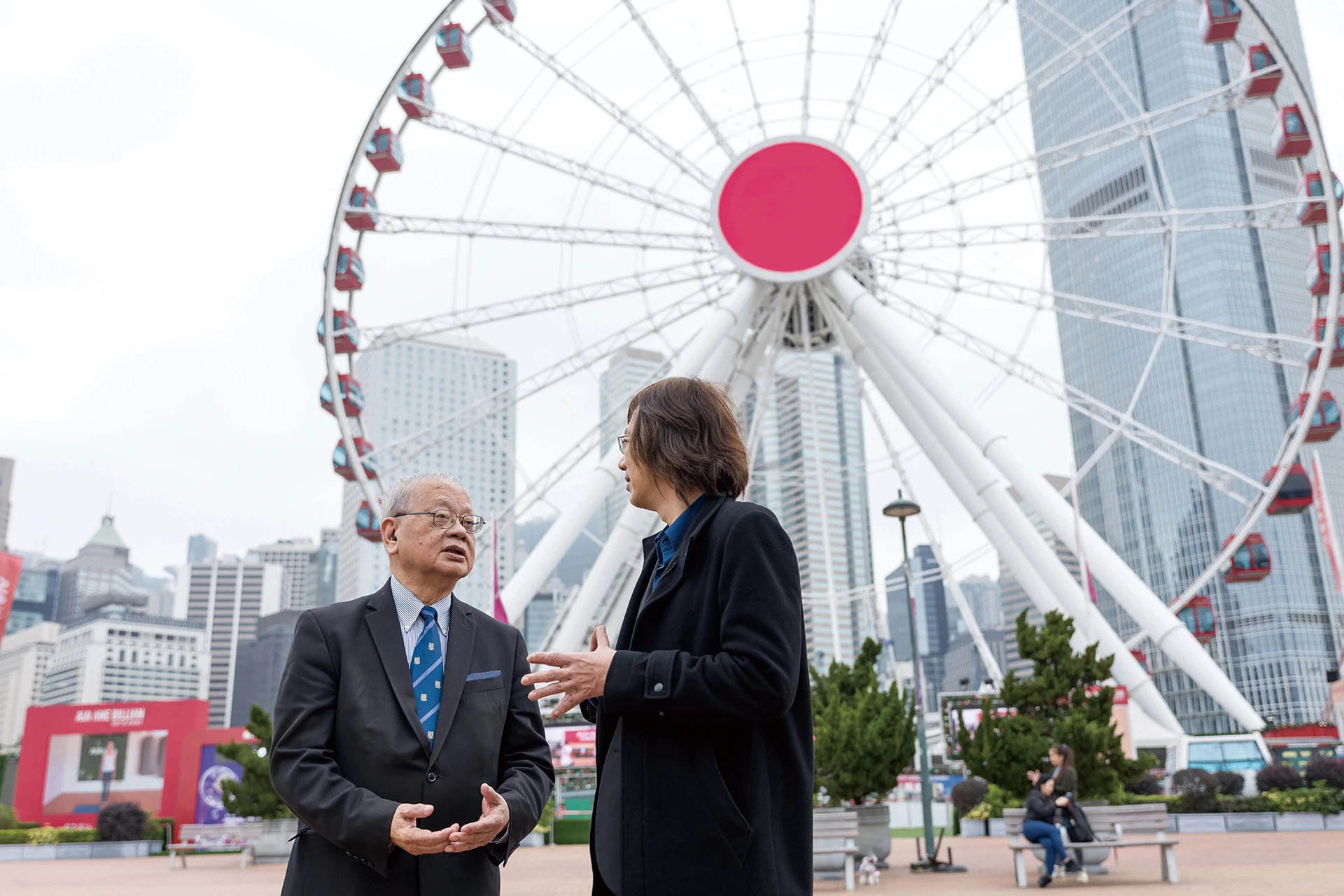
Time flies and we are entering the 20th anniversary of harbourfront development. As Professor Lee was the first Chairman of the former HEC, we would like to hear about his experience in harbourfront development. For the past two decades, every Chairman of the former HEC or the succeeding Harbourfront Commission (HC) spared no effort to enhance the Victoria Harbour. I remember Mrs Carrie LAM mentioning that the judicial review litigation related to reclamation projects triggered her establishment of the former HEC, and the concept of “returning the harbour to the people” was henceforth envisioned. We often say that building consensus is a process. How did you deal with the diverse opinions on harbour development at the time? What was the biggest challenge you encountered in this regard?
Reaching a consensus in civil society is always challenging. Our 29-member team consisted of representatives from various sectors with different backgrounds. It was inevitable for us to have different points of views in the beginning, but we could offer suggestions rationally and pragmatically. Since the meetings of the HEC were open to the public and a number of different public engagement activities had been held, we were able to build a solid communication platform for fostering mutual understanding among participants from various sectors. The HEC eventually managed to forge a consensus and develop an array of principles for formulating the Harbour Planning Principles and Guidelines, providing a framework for all future planning, development and management work on the Victoria harbourfront. I think that the perspectives of Members shared a lot in common, as we all wanted to build and protect the beautiful Victoria Harbour and support sustainable development.
The principles and guidelines we formulated back then are still valid today. Over the past two decades, it has been widely adopted by various government departments and organisations in developing the harbourfront. It is always hard to get public resonance of ideas if concepts are just staying at discussion level. Thanks to relevant government teams’ cooperation, support and assistance, these principles have been successfully implemented in various development projects.
Collaboration Across Sectors to Connect the Harbourfront
Professor LEE, which project left the most profound impression on you during your tenure?
The project that left the most profound impression on me is the Central-Wan Chai Bypass project. The Planning Department, the Civil Engineering and Development Department and members of the HEC engaged in sustained discussions, spending a lot of time on communication. They sincerely gauged the opinions from various sectors and strived to meet public aspirations. It finally culminated in the current alignment for the Bypass, which did not undermine public enjoyment of the harbourfront. The HEC successfully fulfilled its role, and I hereby would like to express my gratitude to the government departments mentioned earlier for their support.
The development of the Central harbourfront was another focus during your tenure, as controversies over Queen's Pier and Star Ferry Pier arose in the course of development. I remember voicing my wish to explore the possibility of preserving Queen's Pier at its original site because it, alongside City Hall, Star Ferry Pier and Edinburgh Place, formed an integral part of the architectural cluster. How was your situation back then?
You were right to voice your opinion, as the truth would become clearer through thorough discussion. It's an inevitable process in reaching a consensus. I recall the lengthy debate, and it was finally concluded that the in-situ preservation of Queen's Pier would give rise to a lot of problems. Despite the controversies at that time, we were able to move forward after weighing the opinions of all parties.
Many things were in the planning stage back then, and the public might not have a comprehensive understanding of what we talked about until their successful implementation. The “West Kowloon Temporary Waterfront Promenade”, opened in the West Kowloon Cultural District in 2005, perfectly demonstrates how harbourfront projects can be taken forward quickly and efficiently. Mr Raymond FUNG Wing-kee, the then architect of the Architectural Services Department, designed a series of triangular light boxes made from discarded wooden planks and hollow plastic boards on the lawn. Handprints were also spray-painted on the promenade to encourage members of the public to share their thoughts by writing messages or drawing pictures on the handprints. Public engagement was encouraged as early as the construction process, and the promenade is still very popular with the public today. We adopted the “incremental approach” to advance the opening up of harbourfront spaces for public enjoyment. This aim has remained unchanged for the past twenty years, and we continue to realise this vision throughout the territory.
The long-term vision we set from the outset included the development of a continuous harbourfront promenade along both sides of the Victoria Harbour. This vision has been widely known to the community. For example, the Hong Kong Polytechnic University proposed the “Green Deck Project” two years ago, which involved the construction of a green deck over the Cross-Harbour Tunnel Toll Plaza, channelling people to the Hung Hom harbourfront by integrating the deck with the nearby Polytechnic University, the Hong Kong Coliseum, Hung Hom MTR Station and Tsim Sha Tsui East area. Although the construction hasn’t started yet, the proposal has shown the public the possibility of harbourfront connection and has encouraged discussion among far-sighted industry stakeholders.
Building a Better Victoria Harbour
Professor, let us talk about your connection with Victoria Harbour. Do you have any personal stories about the harbour?
I am kind of a witness to the harbour’s transformation. When I was young, i.e. in the 1950s or so, I lived near a place where Tin Hau MTR station is now situated. At that time, the site of Victoria Park was still a typhoon shelter, and it took about two or three years to reclaim the land for building a park. As a student, I was pleased to see the completion of Victoria Park because I could then sit under the trees comfortably to read. My family moved to the waterside area of North Point afterwards. As my mother worked in Kowloon, I would cross the harbour to visit her by ferry. It was an absolute pleasure to enjoy the beautiful harbour view aboard. I later lived in eastern North America for more than twenty years and visited several countries for research. For example, the waterfronts of New York and Boston, the Ontario Lake District off Toronto, as well as the coasts of Bangkok and Shanghai. Most of them feature only the sea and skyscrapers. In my opinion, Hong Kong has the most beautiful waterfront, as the scenery of Victoria Harbour features the azure sea and verdant mountains intertwining with the bustling cityscape, which is unmatched by any other waterfront in the world.
Professor, in your opinion, are there any experiences from waterfronts or lakesides around the world worthy of reference?
Certainly, there are lessons to learn. We can look at places like Singapore or Vancouver; both have greater leeway in planning waterfronts than we do because they can afford to start from scratch. On the contrary, Hong Kong’s harbourfront has been developed for some time, and its development history can be traced back to the mid-19th century. In other words, we will be constrained by the current planning of the sites and the buildings thereon when enhancing the harbourfront. We can only do what we can in light of the actual circumstances.
Indeed. We are also taking forward the strategy of “suiting local characteristics” in harbourfront planning. Geographical environments vary and so do the goals; therefore, the one-size-fits-all approach cannot apply. We cannot do the same thing in every district. For example, we have opted to organise concerts, night markets and so on in Central and Wan Chai without having to worry about noise complaints because they are commercial areas, while setting up family-friendly facilities on the promenade in Kennedy Town near residential areas would definitely be popular to the local community. As the harbourfront has progressively extended to more places, we have adorned each harbourfront section with special features and surprises so as to provide the public with more options at the harbourfront.
Right, there is no template answer to the development of harbourfront promenades. I now see people from all walks of life having fun at the harbourfront, and the harbourfront sites are so diversified that each section has its own characteristics.
If you are to advise HC members on their future work, Professor, what do you think we should strengthen or take forward?
I would suggest that the HC should strengthen its collaboration with each district because the fresh atmosphere will facilitate pragmatic communication in the immediate wake of the District Council (DC) Ordinary Election. As for advice on future beautification works of Victoria Harbour, by leveraging the DCs’ assistance in promotion and debriefing at the district level, a consensus may be reached and consequently more harbourfront promenades and facilities that meet public expectations can be built for the enjoyment of the general public.
We have also gauged the views of the Legislative Council and the DCs on developing harbourfront spaces. In recent years, as more new harbourfront promenades have been opened up on Hong Kong Island, there came voices of concern whether the Kowloon side has been ignored. In fact, members of the HC regard both regions as equally important, and the waterfront development in various districts of Kowloon has never stopped. For instance, the promenade along the waterfront portion of Kai Tak Metro Park will be opened in phases in 2024 and 2025.
There is nothing wrong with district councillors attending to the stakeholders’ needs in their own constituencies, and they might not be aware of the development in other districts as they focus on local construction projects. However, I think that most people will understand if the presentation is clear. Effective communication with various stakeholders is crucial for waterfront development, and it is also part of public engagement. By understanding the projects and details the community is concerned about, we may identify new perspectives or unleash new potential that could lead to breakthroughs in harbourfront development.